



Reporter: Xie Mao (Jimu News)
Due to heightened tensions in the Middle East, the cruise ship “MSC Euribia”, which was originally scheduled to depart from Dubai, UAE on February 28, was suspended from operation. As a result, thousands of passengers on board were left stranded, including a 32-member tour group from Ningbo, Zhejiang Province, China.
On the morning of March 6, the 32 tourists finally boarded a flight back to China.
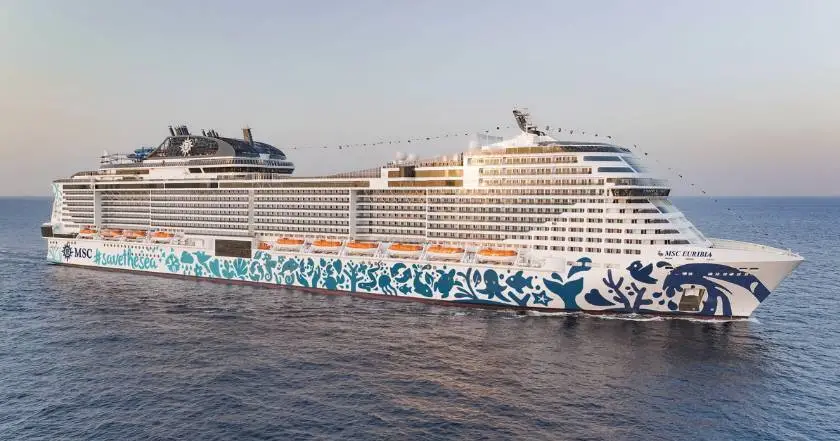
According to previous reports by Jimu News, the Ningbo tour group boarded the cruise ship MSC Euribia on February 28, with a planned return date of March 7. However, due to escalating tensions in the Middle East, the cruise line decided to suspend operations, leaving passengers onboard stranded.
The organizing travel agency, Zhejiang Feiyang International Travel Group, implemented multiple contingency plans to help the tourists return to China. The agency had previously secured flight tickets scheduled for March 6, but the flight was canceled in the early hours of March 5. The plan was then adjusted to a phased return arrangement, with the first group originally scheduled to depart on March 6.
On March 6, a staff member from Zhejiang Feiyang International Travel Group told Jimu News that although the phased return plan had already begun, the company aimed to bring the entire group home as soon as possible. After extensive coordination, additional seats were successfully secured, allowing all 32 members of the tour group to return together on a March 6 flight—“not a single person was left behind.”
The staff member added that the flight carrying the Ningbo tour group departed at around 7:00 a.m. Beijing time on March 6 and was expected to arrive in Beijing at around 2:00 p.m. the same day. The company also arranged airport pickup and subsequent services upon arrival to ensure a smooth return home, with all return costs covered by the travel agency.
Reports indicated that following military strikes by the United States and Israel on Iran, multiple Middle Eastern countries closed their airspace and major hub airports starting March 1 local time, leading to widespread flight cancellations and rerouting. The aviation hubs of Dubai, Abu Dhabi, and Doha were particularly affected. These cities are long-established key transit points connecting Europe, Africa, and Asia. Dubai International Airport, in particular, is not only the largest airport in the UAE but also one of the busiest aviation hubs in the world.
It was also noted that widespread flight disruptions left many travelers stranded in Dubai, with some returning to China via alternative transit routes, commonly through Kuala Lumpur and Istanbul.
