

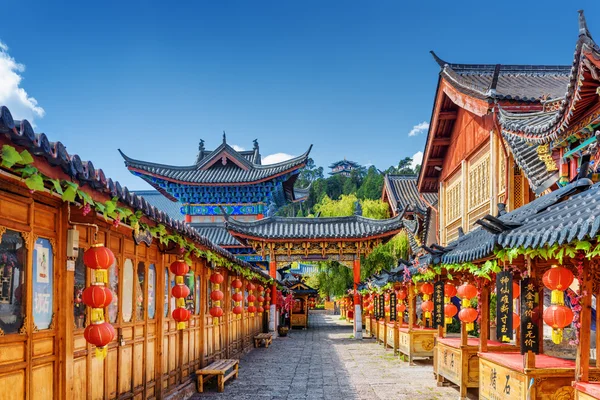

🇨🇳 China Tourism Day (May 19): From Domestic Promotion to Inbound Tourism as a Key Focus
May 19 marks the 16th China Tourism Day. In previous years, the tourism industry discussions during this period were largely centered on domestic travel promotions, such as discounted tickets and regional travel deals—primarily focused on stimulating internal consumption.
However, in 2026, the narrative has clearly shifted.
The Ministry of Culture and Tourism has launched the “Inbound-Friendly 5·19” initiative, signaling a stronger commitment to welcoming international visitors. This year’s theme, “Enjoy Quality Tourism, Share Beautiful Landscapes,” is no longer aimed solely at domestic travelers. Instead, it explicitly reflects a broader vision that includes global audiences.
Inbound tourism is increasingly being positioned as a core growth driver rather than a secondary segment, marking a strategic shift in China’s tourism development.
In other words, inbound travel is moving from the background to the center stage—becoming a key battleground for future tourism competitiveness and international engagement.
🇨🇳 From Transit Stops to Deep-Stay Experiences: China’s Inbound Tourism Upgrade
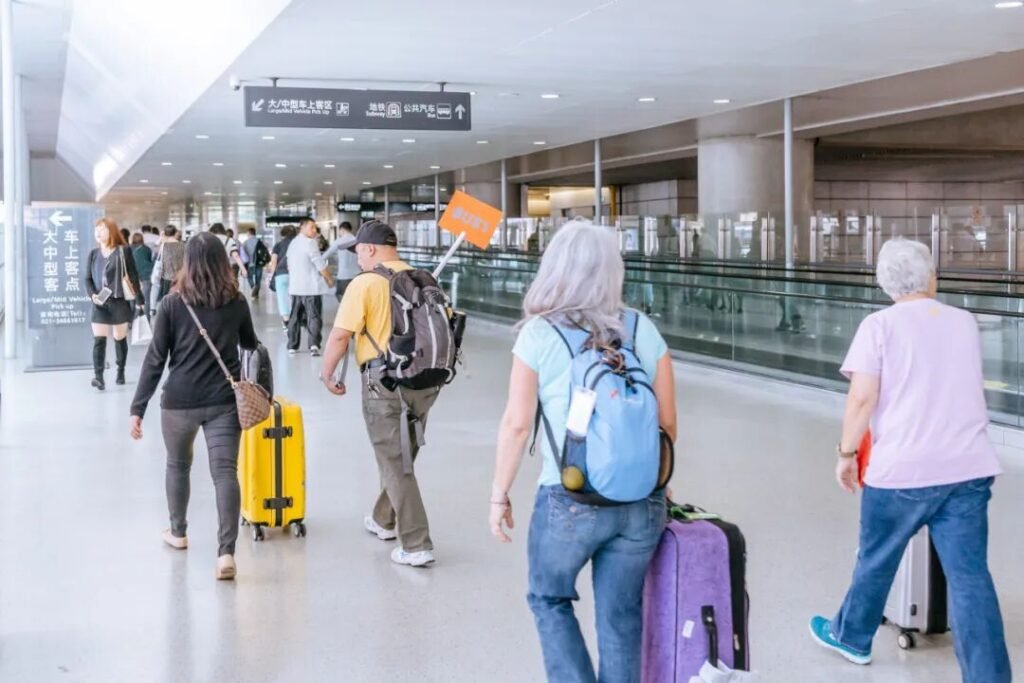
Whether it is the expanded transit visa-free policy that has amplified stopover traffic, or large-scale MICE groups such as the 1,200-person incentive tour from 19 Central Asian countries, cities like Shanghai are transforming simple “pass-through travelers” into high-spending “stayers.”
This seamless convenience has become one of the strongest attractions—often more persuasive than any marketing message.
🏮 Xi’an: Turning Cultural IP into Immersive Experiences
Xi’an has successfully tapped into the global content economy by rebuilding its tourism model around cultural intellectual property (IP).
Last year, inbound tourism in Xi’an surged by 91.56%, largely driven by its transformation of static historical assets into immersive, experiential environments.
Key innovations include:
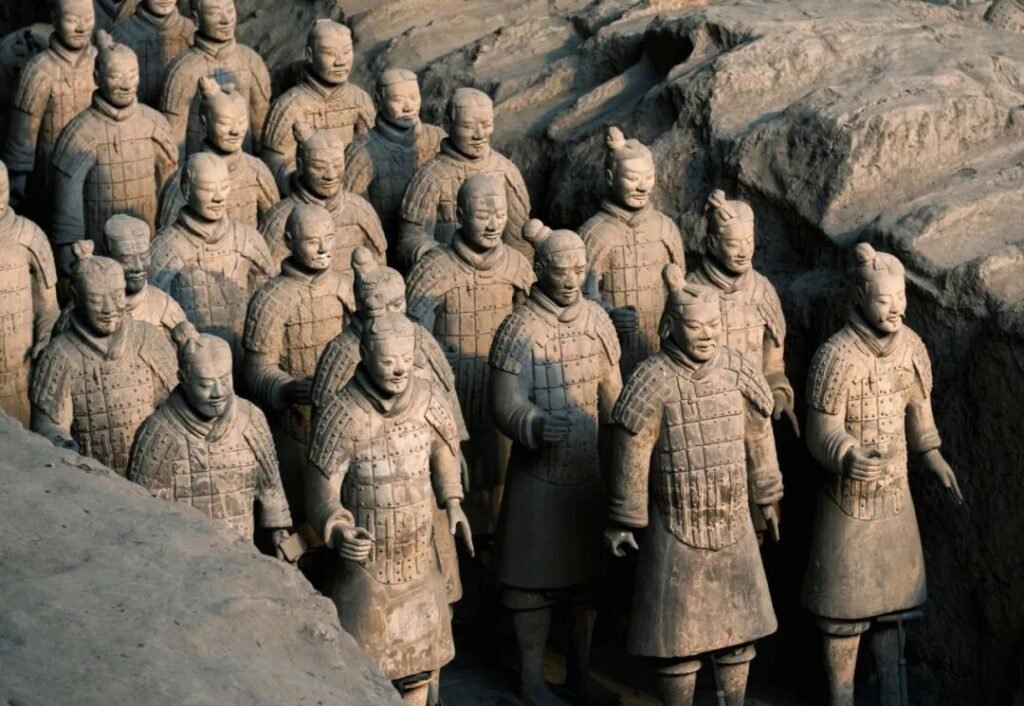
- The Terracotta Army Museum launching a 24-language, 34-currency integrated payment system
- Permanent multilingual immersive performances at Datang Everbright City and “Song of Everlasting Sorrow” / Chang’an Twelve Hours district
- The rising trend of international visitors wearing Hanfu and participating in “Tang Dynasty lifestyle experiences,” which has become a form of social media currency
In addition, instant tax refund services at SKP commercial district, with processing times reduced to just 2 minutes, demonstrate how Xi’an is combining cultural immersion + frictionless consumption.
This model effectively turns 5,000 years of civilization into highly shareable content for Gen Z global travelers—fueling a cycle of experience, sharing, and spending.
🏔 Zhangjiajie: The Unexpected Global Tourism Phenomenon
Perhaps the most surprising success story is Zhangjiajie, a landlocked mountain destination without traditional port advantages.
Despite this, the city attracted 1.33 million inbound tourists last year, covering visitors from 192 countries and regions.
Its success lies in full-system service standardization:
- A pioneering “Huipocket” system that makes currency exchange as easy as recharging a transit card
- Comprehensive multilingual signage (Chinese, English, Korean) across attractions
- “Jinbian Stream Night School” programs to train staff in foreign languages
Today, Korean tourists can enter parks using facial recognition, while Western backpackers can negotiate with homestay owners in their native languages.
This is how “International Zhangjiajie” is built—not through slogans, but through accumulated service precision.
🌍 The Real Shift: From Resource Competition to Service Competition
Across China—from first-tier cities to inland mountain towns—the logic of inbound tourism is becoming increasingly clear:
The first half of inbound tourism is about competing for resources.
The second half is about competing for services.
The destinations that succeed are those capable of transforming foreign visitors from “passing tourists” into “deep participants.”
🌏 When “China Travel” Becomes a Global Phenomenon: What Is China Really Selling?
But now, as “China Travel” surpasses 10 billion views on TikTok, and the “Inbound-Friendly 5·19” initiative fully signals a new phase of competition in global tourism, a deeper question emerges:
What exactly is China selling to the world?
The answer is no longer just landscapes, nor history alone—but a kind of “certainty in everyday life.”
🎥 A New Narrative on Social Media
Looking at viral content from overseas platforms, China as seen through foreign creators’ lenses is no longer defined by sweeping aerial shots or iconic landmarks.
Instead, it is made up of highly detailed everyday moments:
- A young woman dining alone at a late-night barbecue stall at 2 a.m., feeling safe and relaxed
- Seamless travel at high-speed rail stations where passengers simply scan passports with no ticket hassle
- Buying a bottle of water at a convenience store using Apple Pay or a QR code
- Experiencing the “Dongbei massage bathhouse culture,” a uniquely local form of relaxation
This blend of safety, efficiency, modern infrastructure, and everyday street life has become a rare global luxury.
🔐 The Real Product: A Stable, Functional Lifestyle System
At a time when some parts of the world face concerns over safety, inflation, and uncertainty, China presents an alternative:
A parallel urban reality that is orderly, functional, and still full of everyday joy.
For many international visitors, what they are truly buying is:
- The security of spontaneous travel (“gap day” freedom)
- The relaxation of walkable, navigable cities (“citywalk” ease)
- The confidence of a fully digital, cashless ecosystem
In short, it is a sense of complete situational control through everyday life experience.
📦 From “Goods Export” to “Service Export”
Looking deeper, what is happening is a transformation of China’s global image:
- In the past decades, China was known for manufacturing exports—Yiwu small commodities, Shenzhen electronics
- In the coming decades, China will increasingly be known for service exports—urban experiences, cultural immersion, and lifestyle systems
Landmarks such as:
- Shanghai’s Bund night skyline
- Xi’an’s Tang Dynasty cultural performances
- Zhangjiajie’s mountain-and-cloud landscapes
…are no longer just tourist attractions. They are becoming globally packaged service experiences.
💼 The Industry Shift: Packaging “China Service” as a Global Product
The “Inbound-Friendly 5·19” initiative, involving over 70 companies and more than 1 billion RMB in subsidies, together with ambitious goals like 200 million inbound tourists in five years, reflects a clear direction:
China is now actively productizing its tourism services for global markets.
Even promotional efforts such as Jackie Chan’s role as a global tourism ambassador for “Amazing China” represent a shift from passive reception to active global branding and marketing.
🤝 A Cultural Shift: From Explanation to Presentation
Ultimately, what is being sold is a new kind of cultural positioning:
A confident “equal gaze” in cultural communication.
In the past, China often tried to explain itself—to help foreign visitors understand 5,000 years of civilization.
Today, it no longer over-explains.
Instead, it presents:
- Late-night street food stalls
- High-speed trains filled with short-video viewers
- Public squares filled with synchronized dancing
These scenes require no subtitles.
Because joy, freedom, and ease are universal languages—and increasingly, they are becoming China’s most powerful global message.
